Hidden Text: Uncovering the Mystery Behind Hidden Words
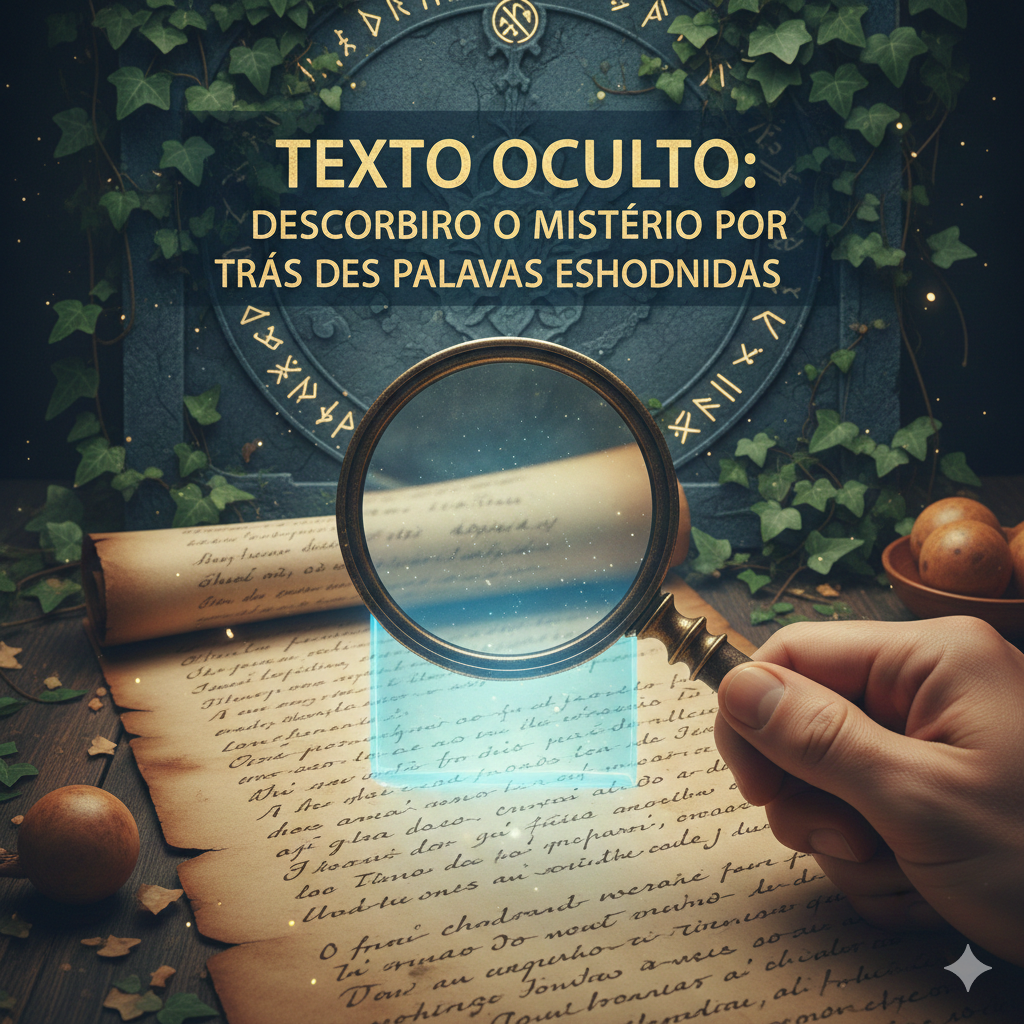
From secret letters in 19th-century clothing to enigmatic sculptures that challenge even modern cryptographers, hidden text has always fascinated. Hidden messages invite the reader to look deeper, to look beyond the surface. In this article, we explore the mystery of hidden text and why the search for hidden text remains relevant today. The History Behind Hidden Messages The art of hiding messages is not new. A classic example is Cardan’s grid, developed in the 16th century. With a sheet of paper full of cuts, someone could write normal text, but only when the grid was placed over a blank page would the real content appear, a method of steganography, or hiding a message within something seemingly ordinary. Another famous case is Bacon’s cipher, created by Francis Bacon in 1605. In it, each letter of the message is encoded in groups of five “A” or “B” symbols, hiding the true content within another text. More recently, during conflicts and censorship, hidden text became a tool of resistance. Coded messages were written in a way that only allies could understand, allowing secure communication without alerting enemies. Here, hidden text was not just an intellectual curiosity, it was a matter of survival. During wars, methods of concealment were constantly reinvented. In World War I, the German army used the ADFGVX cipher, a complex system of substitution and transposition, to transmit coded messages by radio. Curious Cases of Hidden Text That Defied Time A recent discovery revealed a dress from the late 1880s with a code hidden in a secret pocket. The message was only decoded a decade later, revealing an encrypted 19th-century weather report (Business Insider). Another example is the Kryptos sculpture installed at CIA headquarters in Langley, Virginia. Designed by artist James Sanborn in 1990, it contains four parts of an encrypted text. Cryptographers have been able to read three parts for decades, but the last remains a mystery. Why do hidden messages exist? Hidden text exists to control who can see the information. In times of war, leaders hid strategic plans; in societies with strict censorship, writers camouflaged opinions within innocuous texts. Today, digital techniques such as digital steganography hide messages within ordinary files (images or audio), accessible only to recipients who know the trick. The Search for Hidden Text in Popular Culture The idea of hidden text permeates books, films, and games. Novels like The Da Vinci Code explore messages hidden beneath the apparent surface of art and religion, capturing the imagination of audiences worldwide. Modern video games utilize hidden texts and codes to create secret missions, encouraging players to search for details invisible at first glance. Famous Methods of Hiding Text Historically, various techniques have been used to conceal messages: Substitution and transposition codes, as in the Enigma machine, made messages unreadable without the key. Classical steganography, including invisible ink or hidden messages in text formatting. Ciphers embedded in art and sculptures, requiring in-depth study for decoding. Each method hides content and reflects the technology of its time. What the Search for Hidden Text Teaches Us Today Even in a digital world, hidden text remains relevant. It teaches us about the manipulation, protection, and revelation of information. Human fascination with hidden messages demonstrates that we don’t always accept the surface as sufficient. The search for hidden text is a metaphor for human curiosity: understanding, discovering, and connecting invisible dots. Conclusion Hidden text is a real part of the history of communication, with examples ranging from 16th-century paper grids to modern sculptures like Kryptos. The search for hidden text reminds us that behind every word and symbol, there may be something waiting to be discovered. This exploration of the invisible continues to fascinate, teach, and challenge generations.